
Lemosho Route Kilimanjaro
The most scenic way to climb Kilimanjaro — and one of the highest summit success rates on the mountain.
Lemosho Route – The Most Scenic Way To Climb Kilimanjaro
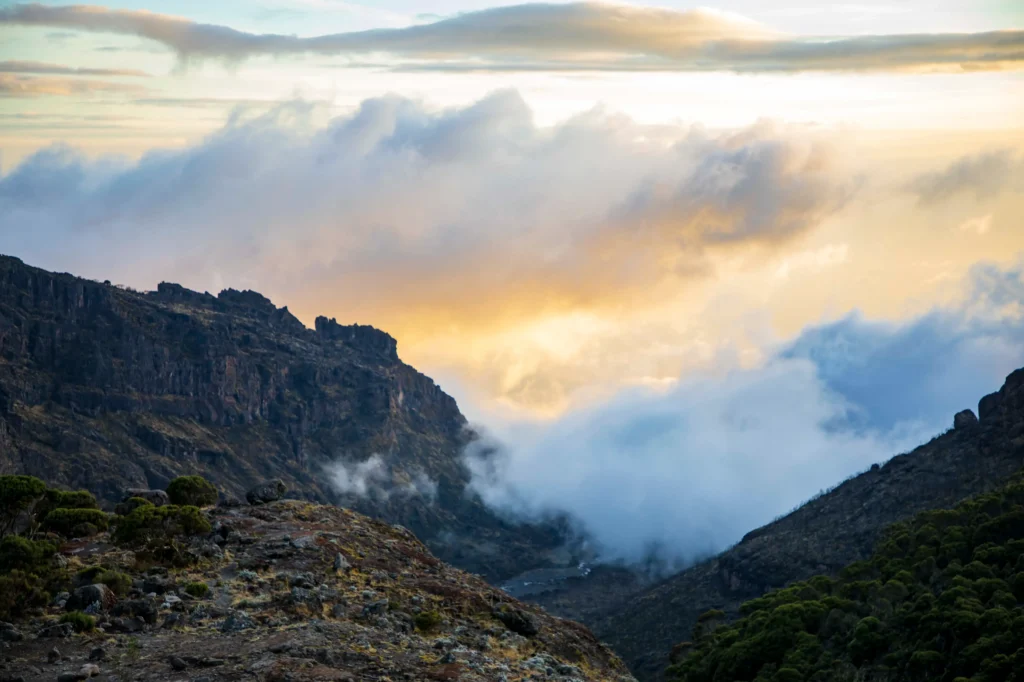
Among all the trails that lead climbers to the roof of Africa, the Lemosho Route stands out as one of the most beautiful and rewarding paths to the summit of Mount Kilimanjaro. Starting from the western side of the mountain, this route takes you through a remarkable variety of landscapes — from dense rainforest filled with wildlife, across the wide open Shira Plateau, through dramatic alpine desert, and finally up to the icy slopes near Uhuru Peak, the highest point in Africa.
What makes Lemosho special is not just the scenery, but also the experience itself. Because this route approaches the mountain from a quieter direction, you will spend your early days walking through peaceful forest trails with far fewer climbers around you. This journey is a more personal and authentic feeling, as if you are truly exploring the mountain rather than following a crowd.
Another major advantage of the Lemosho Route is the amount of time it gives your body to adjust to the altitude. Climbing Kilimanjaro is not difficult because of steep cliffs or technical climbing skills, but because of the thin air at high altitude. The longer itinerary on this route, usually seven or eight days, allows your body to gradually adapt as you gain elevation, which greatly increases your chances of reaching the summit comfortably and safely.
Whether you are an experienced trekker looking for a new challenge, or a first-time climber seeking the best possible chance of success, the Lemosho Route offers a perfect balance of beauty, comfort, and achievement.
Why Climbers Choose The Lemosho Route
The Lemosho Route has become one of the most recommended routes by guides and travel experts for several good reasons.
1. High Summit Success Rate
This route has one of the highest summit success rates of any route on Kilimanjaro. This is largely because Lemosho is longer than some of the more direct paths, which means climbers spend more nights on the mountain at increasing altitudes. This gradual ascent, often described as "climb high, sleep low," helps the body produce more red blood cells and adjust naturally to lower oxygen levels, reducing the risk of altitude sickness.
2. Stunning, Varied Scenery
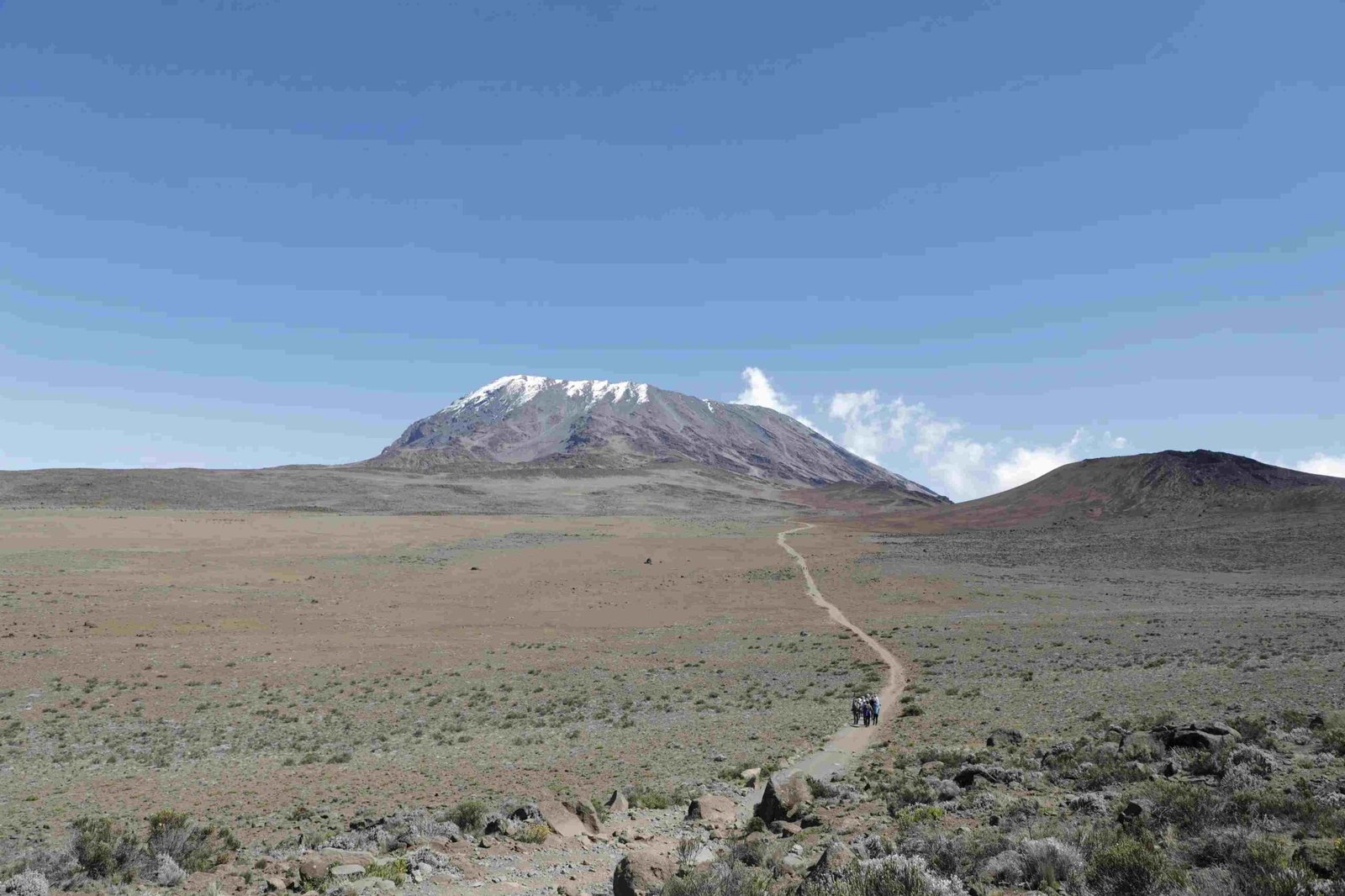
The scenery along this route is considered some of the finest on the entire mountain. You will walk beneath giant trees in the rainforest, where blue monkeys and colourful birds move through the canopy above you. As you climb higher, the forest gives way to open moorland covered in giant lobelias and unusual plants found only at high altitude. Later, the alpine desert offers wide views across the plains below, with Kibo's snowy dome often visible in the distance.
3. Quiet, Peaceful Route
Because Lemosho starts from a less popular access point, the first few days of the trek are noticeably quieter than on routes like Marangu or Machame. For travellers who want to feel connected to nature and enjoy a sense of peace before the final summit push, this makes a real difference to the overall experience.
4. The Famous Barranco Wall
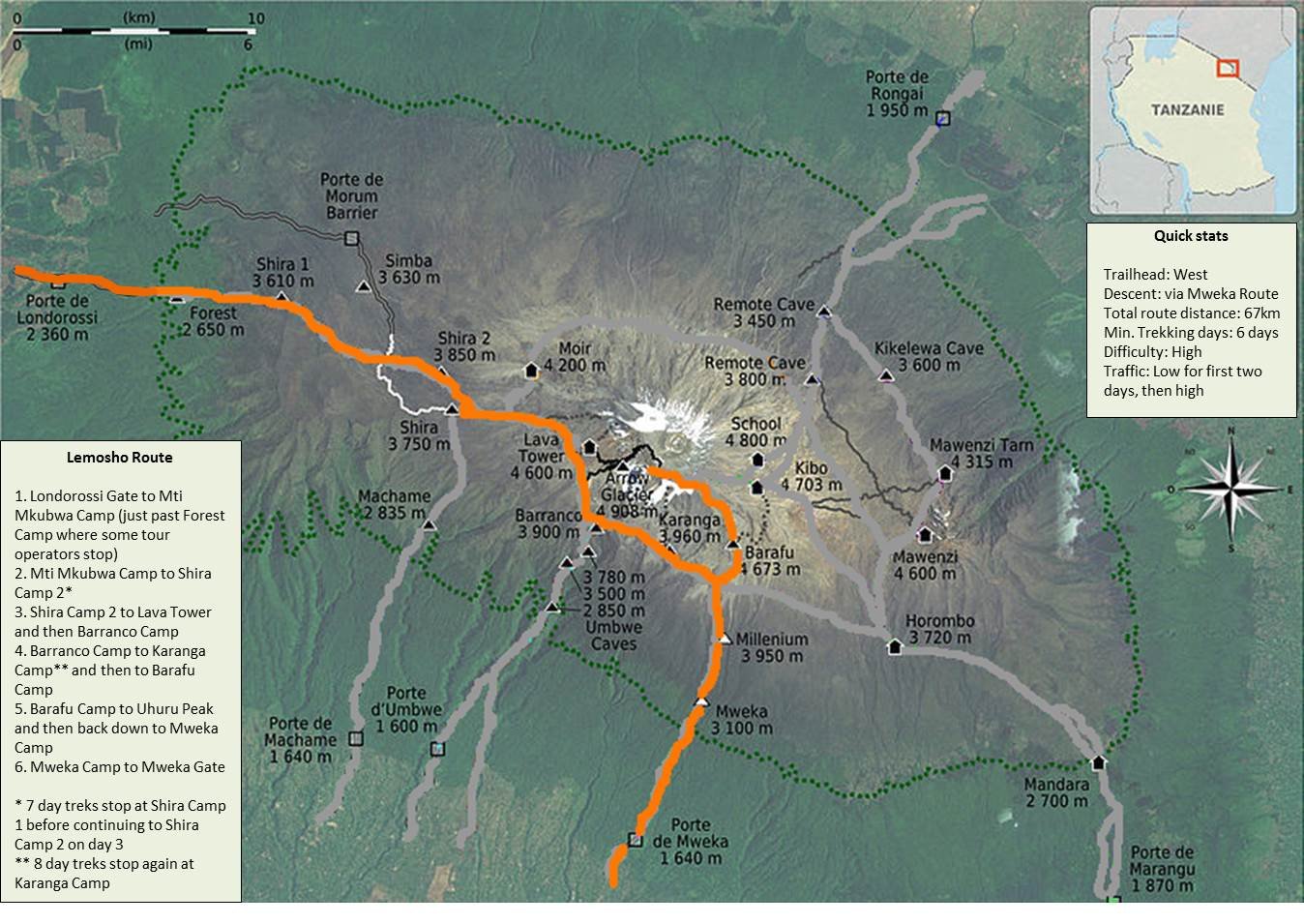
The route eventually joins the southern circuit near Barranco Camp, meaning climbers also get to enjoy the famous Barranco Wall, a fun and exciting scramble that adds an extra sense of adventure to the trip without requiring any technical climbing skills.
What To Expect On The Lemosho Route Kilimanjaro
As you progress along the Lemosho Route, you will pass through five distinct climate zones, each with its own character and challenges, making the journey feel like travelling through several different worlds in just one trip.
1. Rainforest Zone
The journey begins in lush rainforest at the base of the mountain, where humidity is high and the vegetation is thick and green. Tall trees, hanging vines, and a chorus of birdsong fill the air, and if you are lucky, you may spot blue monkeys moving through the branches above the trail. The ground is often soft and damp, so the cool, shaded paths offer a gentle and refreshing start to the climb.
2. Moorland Zone
From there, the trail leads into moorland, a transitional zone with shorter plants, open skies, and your first real views of the peak ahead. The dense forest thins out and gives way to heath-like vegetation, giant heathers, and wildflowers. This zone often feels lighter and more open, with cooler air and wider views that give climbers their first real sense of how far they have come.
3. Alpine Desert Zone
Continuing upward, you enter the alpine desert zone, a dramatic landscape of rock, dust, and hardy plants that can survive extreme temperature changes between day and night. This area often feels like walking on another planet, with vast open spaces and the summit looming closer with every step. Daytime sun can feel intense while nights turn sharply cold, so layered clothing becomes especially important here.
4. Arctic Zone And Summit Push
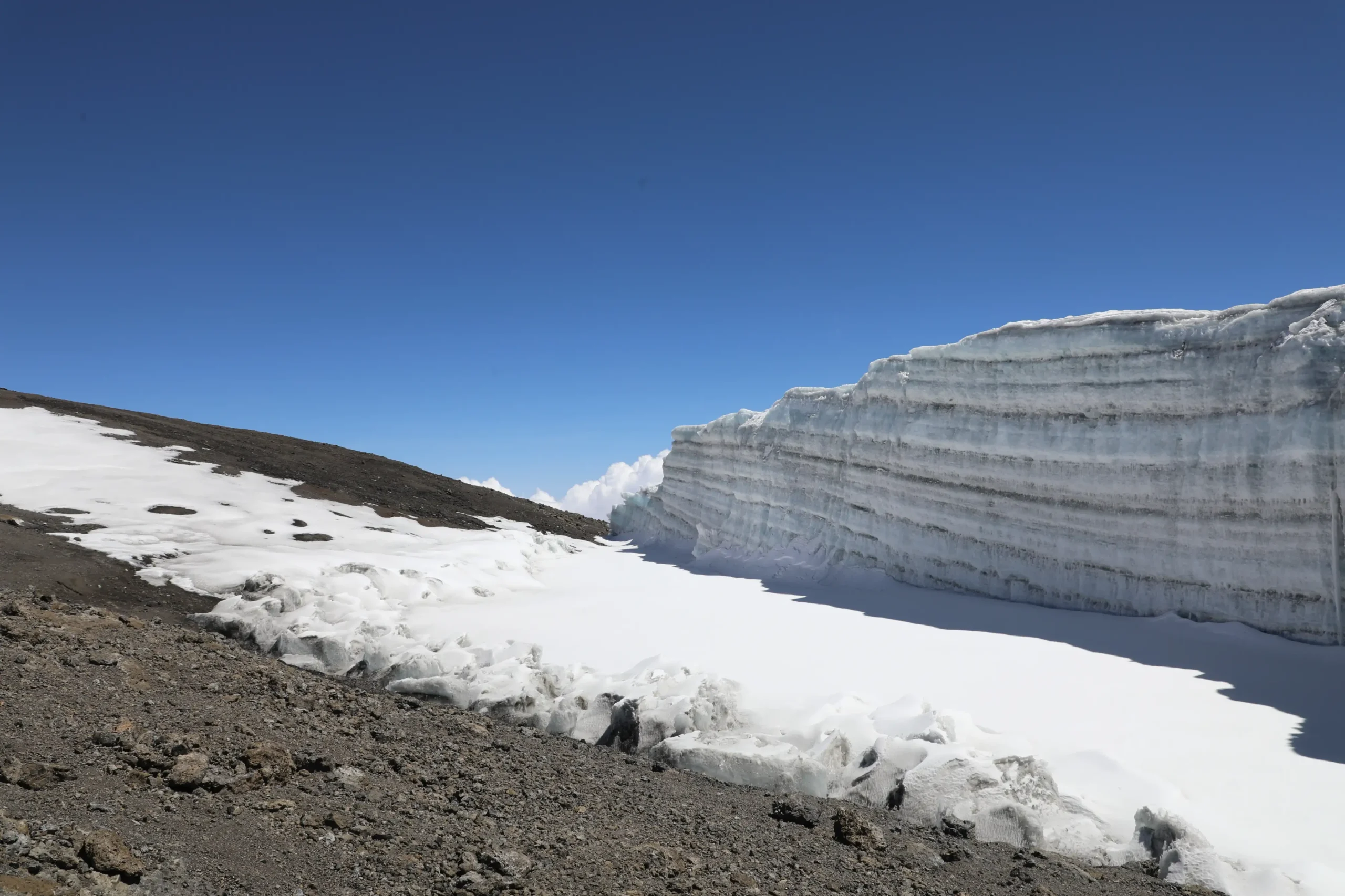
Finally, near the top, you reach the arctic zone, where snow and ice are common and the air is noticeably thin. This is where the final summit push takes place, usually starting in the darkness of early morning so that climbers can reach Uhuru Peak around sunrise, when the views across the clouds and the curve of the earth are at their most spectacular. The cold, the altitude, and the early hour make this the most demanding part of the journey, but also the most rewarding.
5. Expert Support Throughout The Journey
Throughout the trek, experienced guides and porters support every step of the journey, carrying equipment, setting up camp, preparing meals, and monitoring each climber's health to ensure the best possible chance of reaching the top safely. Their knowledge of the mountain and its changing conditions plays a major role in making the experience both safer and more enjoyable.
Best Time To Climb The Lemosho Route
1. Dry Season (Late June To October)
This is one of the most popular times to climb. Trails are drier and less slippery, skies are clearer, and the chances of seeing the summit without cloud cover are much higher. Because this period attracts climbers from around the world, booking in advance is recommended.
2. Dry Season (Late December To March)
This second dry window also offers excellent conditions, with stable weather and good visibility. It is a favourite time for climbers who want clear skies and steady trails, and like the mid-year dry season, it tends to be busier on the mountain.
3. Rainy Seasons (April, May And November)
These months being heavier rainfall and can make certain sections of the trail more challenging, with muddier paths and reduced visibility at times. However, experienced climbers actually prefer these quieter months, as the mountain and the landscape become especially green and vibrant.
Available Lemosho Route Packages
Below you will find our current Lemosho Route packages, including detailed itineraries, pricing, and what is included in each option. Choose the package that best suits your schedule, budget, and level of experience, and our team will be happy to help you prepare for this unforgettable journey to the roof of Africa.
7-Day Kilimanjaro Trekking – Machame Route
6-Day Kilimanjaro Trekking – Machame Route
Frequently Asked Questions — Lemosho Route
Everything you need to know about climbing Kilimanjaro via the Lemosho Route with Dubu Adventures.
How many days does the Lemosho Route take?
The Lemosho route is usually done over 7 to 8 days, though some operators offer a shorter 6-day version. We recommend the 8-day option, as the extra day greatly improves acclimatization and increases your chances of reaching the summit.
What is the success rate of the Lemosho Route?
Success rates depend heavily on the itinerary length. A 6-day climb has a success rate of around 60-65%, a 7-day climb around 80-85%, and the 8-day itinerary — the most commonly recommended — reaches success rates of roughly 90-95% thanks to its superior acclimatization profile.
Is the Lemosho Route good for beginners?
Yes. Although the route covers a significant distance and altitude gain, its gradual "climb high, sleep low" profile makes it one of the most forgiving routes for first-time high-altitude trekkers, provided you choose the 7 or 8-day itinerary rather than the shorter 6-day option.
Where does the Lemosho Route start and end?
The Lemosho Route begins at Londorossi Gate on the western side of Mount Kilimanjaro, roughly a 3-4 hour drive from Arusha or Moshi. Climbers descend via the Mweka Route on the mountain's southeastern side, finishing at Mweka Gate.
Is the Lemosho Route crowded?
The first two days through the rainforest and Shira Plateau are notably quiet compared to routes like Machame or Marangu. The trail becomes busier from Barranco Camp onward, where Lemosho joins the southern circuit route used by climbers from other trailheads.
What is the Barranco Wall and is it dangerous?
The Barranco Wall is a steep, roughly 300-metre rock scramble encountered after Barranco Camp. It looks intimidating but requires no technical climbing skills or equipment — our guides assist climbers step by step, and it is widely regarded as one of the most fun and memorable parts of the trek.
What climate zones will I pass through on the Lemosho Route?
You will pass through five distinct zones: rainforest, moorland, alpine desert, and the arctic zone near the summit, each with its own scenery, temperature range, and vegetation, making the Lemosho Route one of the most visually varied climbs in the world.
When is the best time to climb the Lemosho Route?
The two dry seasons — late June to October, and late December to March — offer the most stable weather and clearest views, and are the most popular (and busiest) times to climb. The rainy months of April, May, and November are quieter and greener, though trails can be muddier.
What is included in a Lemosho Route package?
Our Lemosho Route packages include park fees and camping fees, professional guides and porters, all meals on the mountain, quality camping equipment, and airport or hotel transfers to and from the trailhead. Full inclusions are listed on each individual package.
What level of fitness do I need for the Lemosho Route?
A good baseline level of fitness is recommended, ideally including regular cardio and hiking training in the months before your climb. No technical climbing experience is required, but being comfortable walking 5-7 hours a day on uneven terrain will make the trek significantly more enjoyable.
Ready to climb the Lemosho Route? Our experienced team is here to help you plan every detail of your Kilimanjaro adventure — from the right package to the right preparation.
Get in touch
Speak directly with the team planning your trip — no call centres, no middlemen.
- Airport Road, Arusha, Tanzania
- +255 686 371 755
- adventuresdubu@gmail.com
- Response time: within 24 hours, usually sooner
Send an enquiry
Tell us your travel dates, group size and what you'd like to see — we'll build a custom quote around it.